Pages

Friday, 12 May 2017

Prince William's 'touching' letter when my navy dad died
Prince William's 'touching' letter when my navy dad died
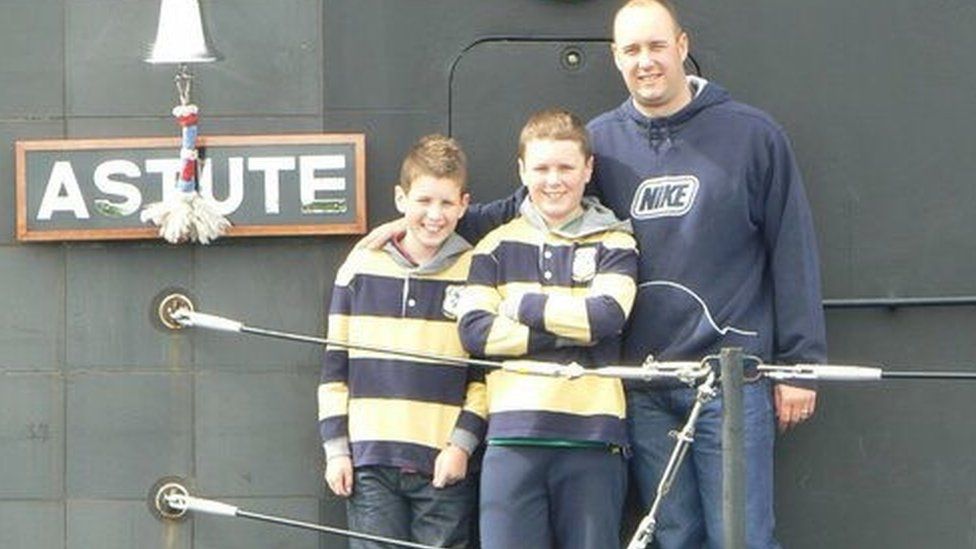
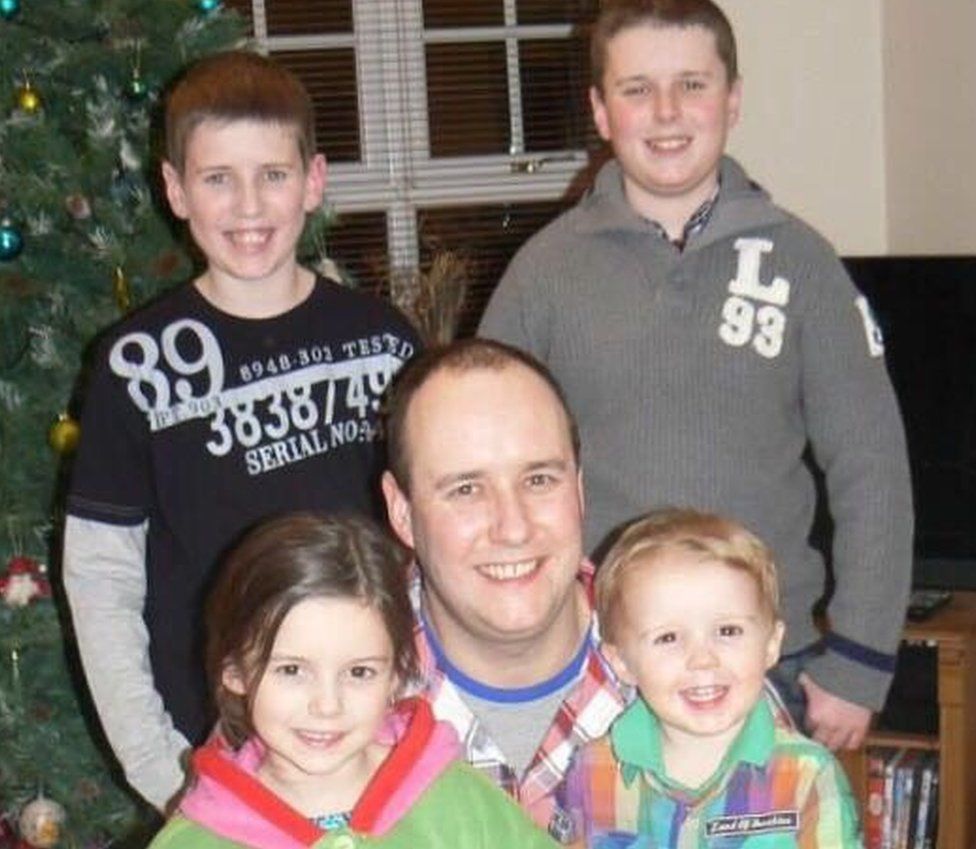
Ian Molyneux with two of his sons on board HMS Astute

The Duke and Duchess of Cambridge and Prince Harry are hosting a party on Saturday for children who've lost a parent in the armed forces.

The event at Buckingham Palace is a way, the palace says, to honour those whose mother or father have died fighting for their country.

Jamie Molyneux is going with his younger brothers and sister. Their dad Lt Cdr Ian Molyneux was killed in 2011.

He says it's "comforting" to know they haven't been forgotten.
  • MORE STORIES

Everyone wants to run for US president in 2020

Top 10 Cancer Causing Foods to Cut Your Cancer Risk in Half

House hit by dozens of cars and trucks


Ian Molyneux with his children

"The Duke of Cambridge wrote to us soon after my dad was killed," Jamie tells Newsbeat.

"It was very touching. He said he understood what we were going through as siblings, with his experience losing his mum Princess Diana."

Jamie's dad was murdered by a junior member of the navy while on board a nuclear submarine.

He received a posthumous George Medal for his actions in stopping others from being killed.

"It had been on the news but by some miracle none of us had seen," Jamie remembers, sat at his kitchen table where a picture of his dad takes pride of place.

Aged 13, he answered the front door to a naval officer and a naval chaplain.
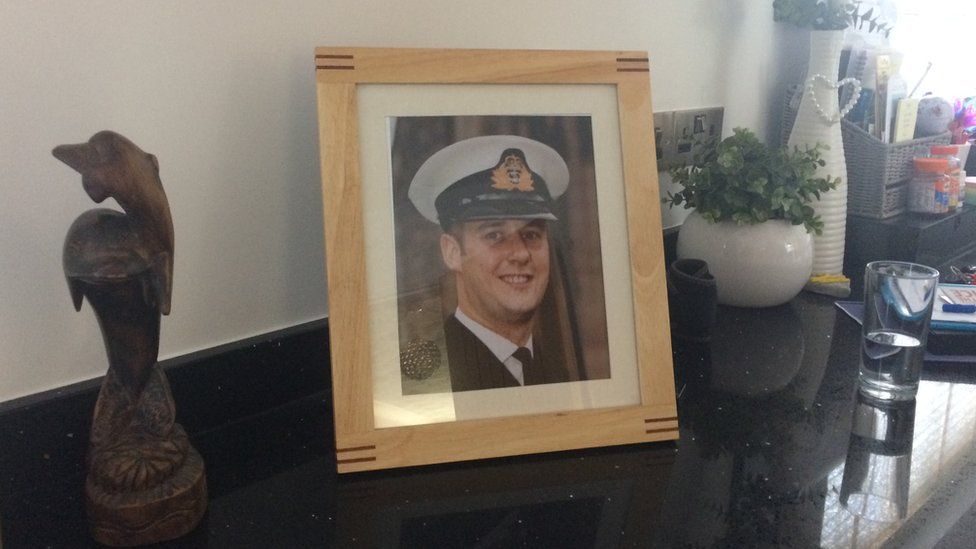
Ian Molyneux
Ian Molyneux

"If you see a priest and an officer, it's generally a bad sign.

"I had two choices to make. I was either going to go off the rails and end up in prison or accept what's happened and do the best I can."

Jamie has followed in his dad's footsteps and is beginning a military career.

He passed out of Welbeck Defence Sixth Form College in Leicestershire last year, earning the award for best naval cadet.Jamie Molyneux

Jamie Molyneux
Image caption Jamie is at Loughbourgh University studying engineering for his naval career

Six years after his dad passed away Jamie is still "very much" the big brother to his younger siblings, and helps support his mum Gill.

"We still talk about dad a lot," Jamie says. "About all the stupid things he did with us when we were younger.

"That's the main way we keep his memory alive."
What is it about Glastonbury's location which makes it so muddy?

What is it about Glastonbury's location which makes it so muddy?

Enable it in your browser or download Flash Player here.
Sorry, you need Flash to play this.
Video caption This is why it's often so muddy at Glastonbury

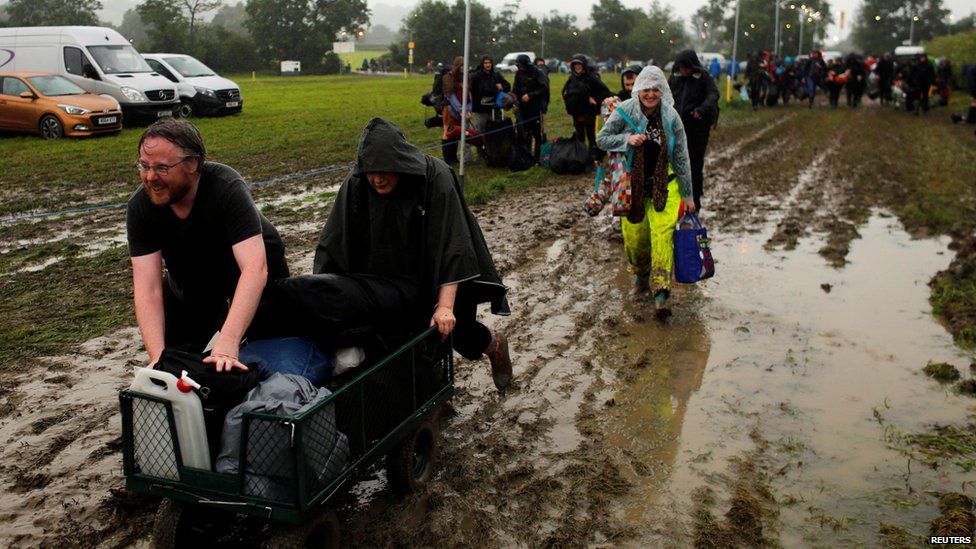
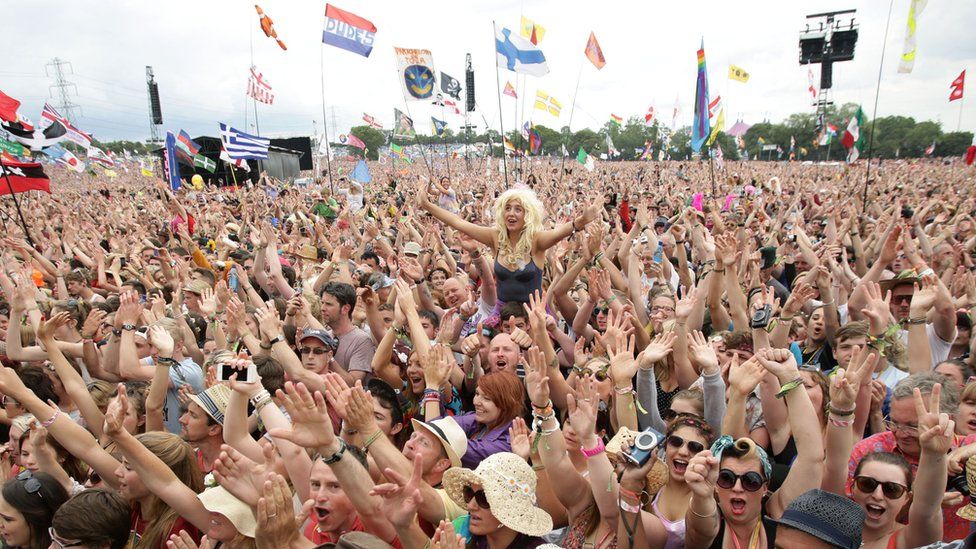
It's June, it's raining and it's Glastonbury Festival, so, inevitably, every news site in the UK is posting video of fans trudging through sludge.

We're not going to lie - it's nice to feel smug sitting in a dry office, on a chair, cropping photos of people looking muddy on day one.

But let's face it, this isn't the first time - and it won't be the last - that Glastonbury turns a bit, well, feral.

But why does it always look so much worse than any other UK festival?

Newsbeat has turned to science to get the answers.
More related stories
Woman in the crowd at Glastonbury
Glasto essentials you don't know you need
Festival-goers arrive for the Glastonbury Festival
Glastonbury revellers 'in 12-hour queue'
Weather
Tomasz Schafernaker, from BBC Weather, says it is "not surprising" that Glastonbury is often muddy.

"This time of the year we get a lot of rainfall off the Atlantic," he says.

"It comes in these short, sharp bursts."

These heavy showers cause the ground to get waterlogged.
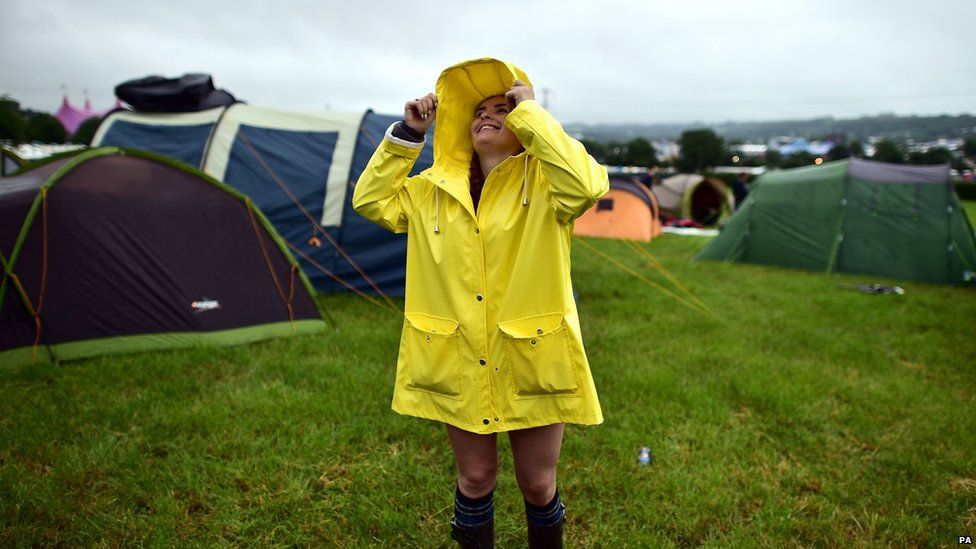
Girl wearing a mac by some tents

"Last month we had 134% of the normal rainfall," says Andrew McKenzie, a hydrogeologist from the British Geological Survey.

"That happens quite a lot, every two, three or four years. So far this month, and we're only two-thirds of the way through, we've had 190% of the normal rainfall, so that is actually quite exceptional.

"Glastonbury is prone to flooding when it's very wet and it has been extremely wet."
Geology
People walking through mud with their luggage

For flooding and mud you've clearly got to have wet weather.

But the Somerset soil also plays a crucial role in creating that unique Glastonbury squelch.

The soil is clay-based, explains Dr Kenneth Loades, a soil physicist from The James Hutton Institute.

"The trouble with clay is it's made up of very, very fine particles."

He adds: "Soil in a field has holes - that's where the water goes into and also where there's air. When it rains, these holes fill up with water, which makes it go into a horrible squishy mess."Woman wearing a hat made of a rain cloud
Woman wearing a hat made of a rain cloud

The make-up of the ground also explains why it takes a long time for the quagmires to clear up.

"The whole underlying structure, underneath the farm, is clay and muds, so there's nowhere for the water to go," explains Andrew.
Grass

Two days ago the festival site looked green and lush.

"Grass is really useful because it does help reduce the amount of mud. The roots of the plant are within the soil and they hold the soil together," says Kenneth.

"Even when it's a sea of mud, it still has an element of positivity. Those roots are still there.

"It could be deceptive because you can't see the grass but I can assure you, it's still having a beneficial effect."
Geography
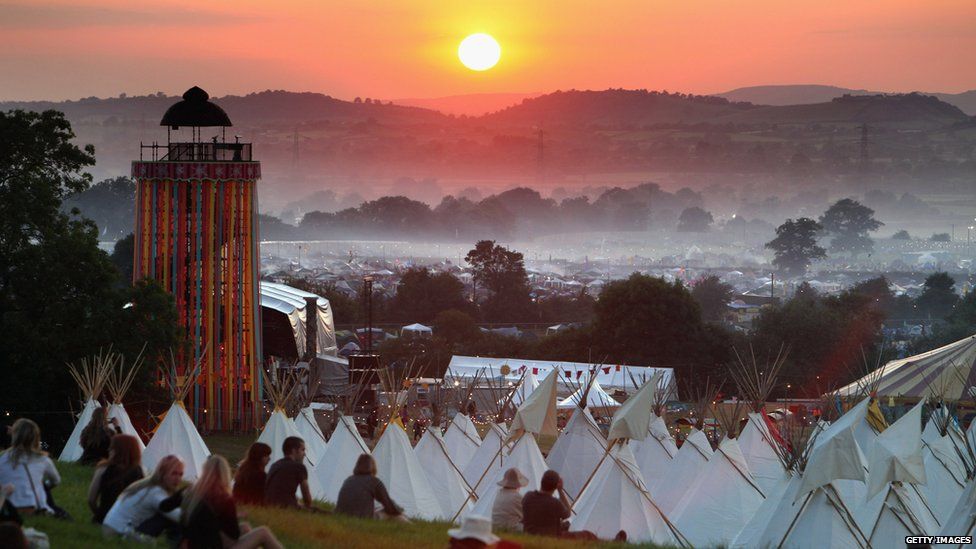
View of Glastonbury from the top of a hill

Glastonbury is also based in a valley.

"Water is always going to flow down hill," says Andrew.

"Because the ground is so impermeable, by which I mean the water can't soak into it, it means that any rainfall that falls on the ground is going to flow to the lower parts of the site.

"All the hillsides around Worthy Farm contribute extra water, in addition to the rain that actually falls on the festival site itself."

Anyone who's been to the festival before knows that it's the campsites higher up the hills that tend to survive the longest in the wet weather.
Population
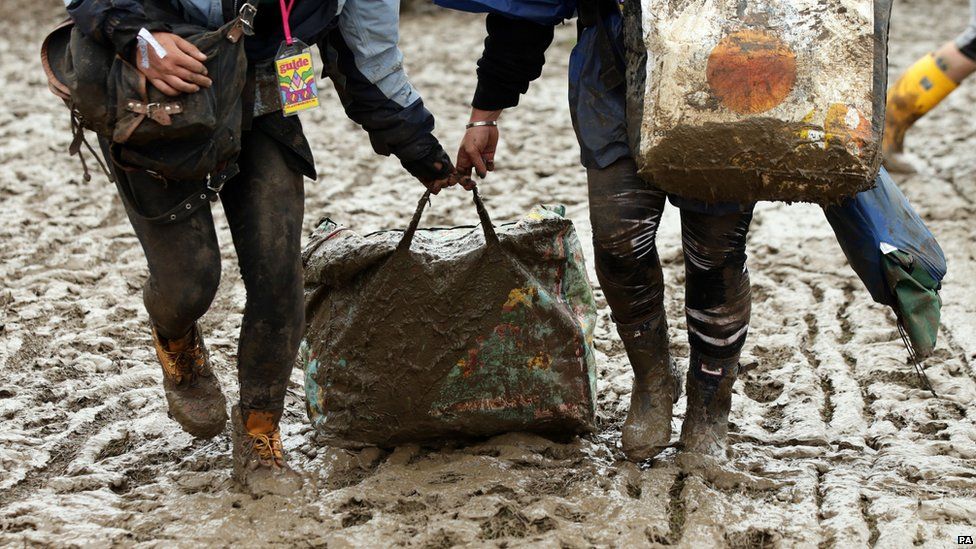
People dragging a bag through the mud

About 175,000 people go to Glastonbury - that's roughly equivalent to a town the size of Ipswich, Wigan or Oxford.

"The physical action of people's feet, churning over, compacts the mud and removes some of the structure that's naturally in the soil," says Andrew.

"If you imagine you've got 20cm of soil - there's a lot of water in that.

"If you then walk a few hundred people across that piece of soil, you're crushing the structure down and squeezing the water out, in the way that you might squeeze water out of a sponge."

House hit by dozens of cars and trucks

House hit by dozens of cars and trucks
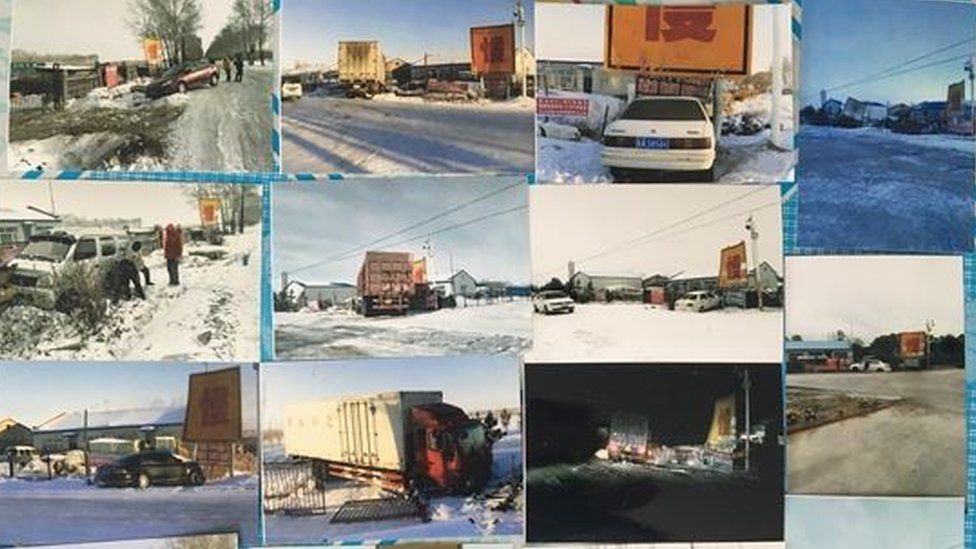
Some of the crash scenes

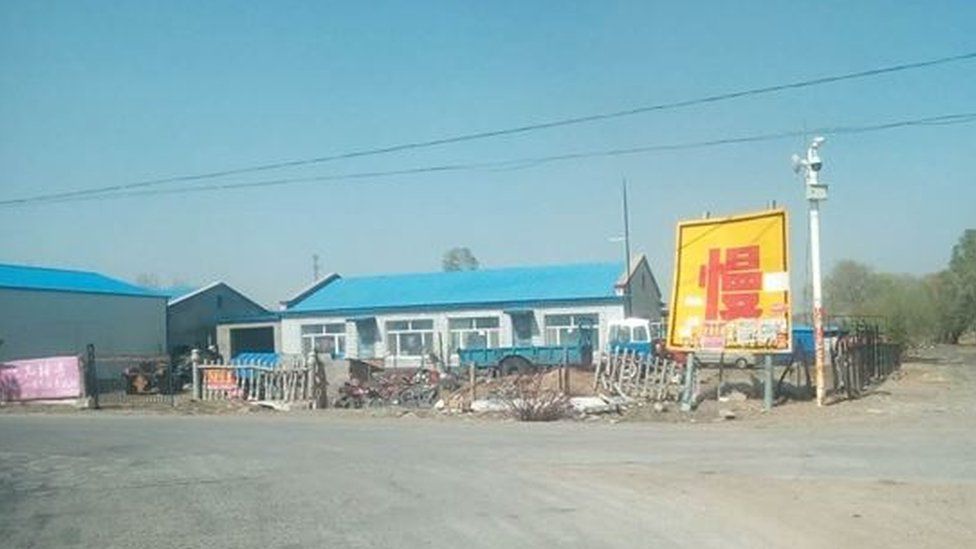
Dozens of cars and trucks have crashed into a house in north-eastern China in the space of just one year.

According to an article in the Beijing Youth Daily, the house, in a town called Heilongjiang, is on a right angled junction.

Cars don't slow down quickly enough when taking the turn and end up careering into the front fence.

In 2016 the family who live there took 100 photos, recording the 48 cars and trucks that crashed into their home.

The yellow sign in front of the house displays the Chinese character for "slow." Sadly it seems their deterrent is not working.
The house with banner saying 'slow'

Husband and wife He Haijun and Xu Renxiang were living on the 70 square metre plot of land before the main road was built seven years ago.

It now means the expressway from Daqing City to Qiqihar City runs close to their house.
Compensation

Xu told the Beijing Youth Daily the crashes started happening in 2010. She was 8 months pregnant and asleep when a car veered into their bedroom. Their daughter is now seven years old but she's not allowed to play in front of the house because of the risk of being hit by a vehicle.

The couple said everyone around them knows where they live as the 'car accident house' on the junction. So far, luckily, no-one's been seriously injured.

Xu insisted that it has probably happened about 100 times, but they don't know the real number.

Most of the time she says they can negotiate with the perpetrators privately and get some compensation.

Officials are reportedly looking into the problem but no sign of any possible solution yet.

Emily Eavis: 'Really big' Glastonbury Festival secret to be revealed soon

Emily Eavis: 'Really big' Glastonbury Festival secret to be revealed soon
Glastonbury
Glastonbury

Glastonbury co-organiser, Emily Eavis, says there's a "really big" secret on the way about this year's festival.

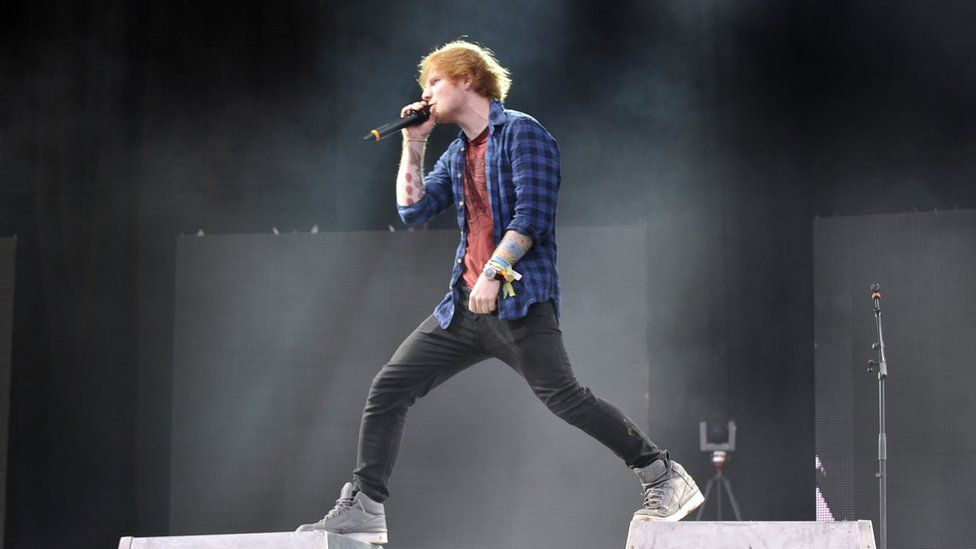
Radiohead, Foo Fighters and Ed Sheeran are headlining the event, which takes place at the end of June.

But Emily has told Newsbeat that they've managed to keep a secret quiet for the first time ever this time.

"We've managed to keep some big secrets recently and there's a couple more this year that haven't gone out yet as well.

"There's a really big one. I haven't even hinted or told anyone it's coming and we've managed to keep it completely quiet for the first time ever."

Newsbeat caught up with Emily at her office on Worthy Farm to look at the logistics of putting on the UK's biggest festival.
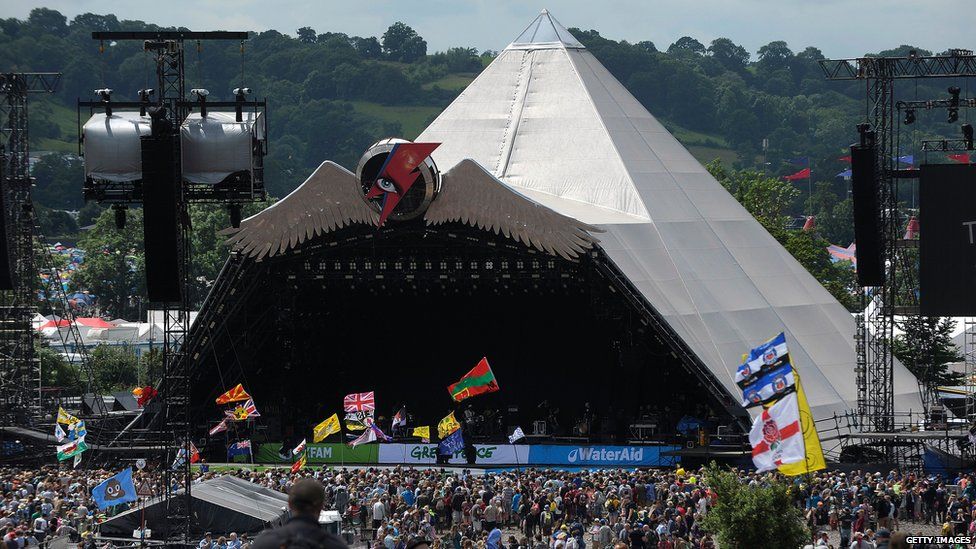
Pyramid Stage
Pyramid Stage
How is the Pyramid stage looking?

The cover has just gone on and the stage is being built inside. The guys that build our stages are racing against the clock as well. They're currently building the stage inside the Pyramid.
What are the logistics of putting on Glastonbury? Where do you begin?

The festival is so long established that I suppose it's got a team of people who are bedded into it so well that know exactly what they're doing. Every year there are tweaks and some things might be brought forward or back. But this is a very important time so we reach the end of June with everything in the right place. Everyone knows what they're doing. We're the same site and this is all about this one event for us. It is a well oiled machine.
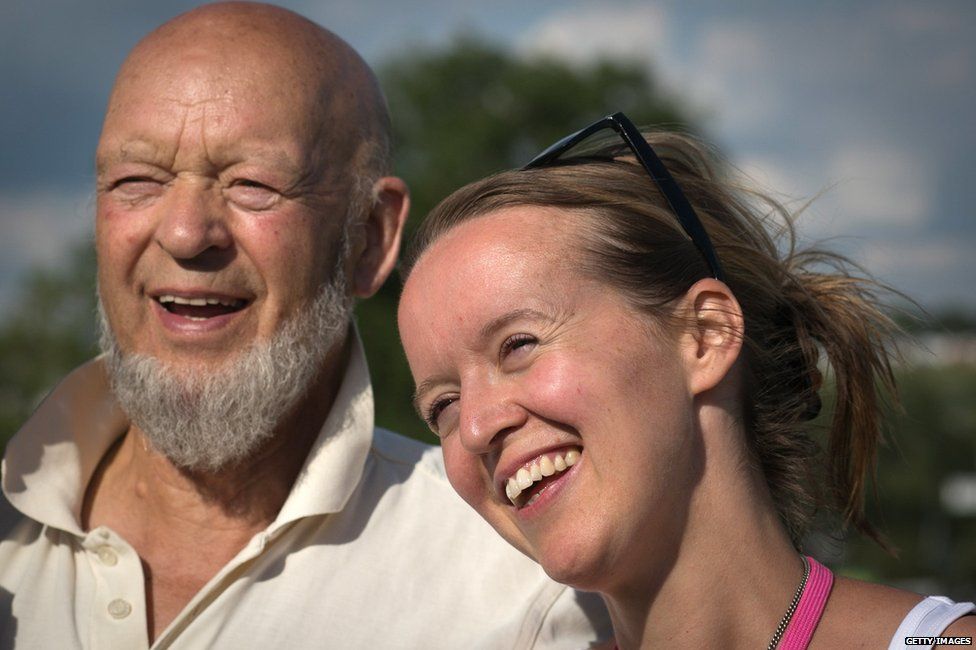
Michael and Emily Eavis
Image caption Emily Eavis began helping her father to run the festival in 1999 and now puts the line-up together
Regarding line-ups, Glastonbury usually has the mother of them. Where do you begin?

We're obviously fully booked for this year but we're speaking to agents all the time about the next couple of festivals. We've got a fallow year next year but agents are already calling about the following year so we've got a few contenders for headliners that year. And then we have our 50th anniversary in 2020 so we've got two headliners already done for that. We're working all the time on the following festivals, even though we are fully present at the moment in this one.
You've got two headliners for three years time... already?

We have. But it's the 50th anniversary, so it's going to be a big celebration. A few people have come in early and sort of said, 'We'd really like to do that.'
Ed Sheeran performed on the Pyramid stage in 2014
Image caption Ed Sheeran performed on the Pyramid stage in 2014 but is back as headliner this year
Headliners aside, do you have acts and agents phoning you to be on the other stages - or do you like to approach some bands you're a fan of?

Both. Sometimes an artist will build a tour around Glastonbury. We did that with Bruce Springsteen (in 2009). We told him we really wanted him to play and the reasons why. We sent him lots of information about it and then they built a tour around that. Every year is a balancing act and you have to look at the line-up as a whole and say, 'This needs a bit of female pop, a bit of country, a bit of legendary singer songwriter.' You need to keep the balance right.
Every year there are always comment pieces about the lack of female headliners and female acts on the bill at festivals in general. I'm assuming this is something very close to your heart...

We really want to address the imbalance in those areas. It's a long-term project and we're trying to get the message through to everyone who's booking bands across the festival. For some stage bookers it's harder because it's not a conscious thing. If the stage happens to be all male, you could just say that's the way it turned out. We say you have to really think about it and try and be conscious of the balance when you're booking. We're making progress.
There are so many female acts... it's not like there's an imbalance in music generally.

We are on top of it. Sometimes it means people booking acts who are slightly more out of genre [than] they're comfortable with.
Adele headlined the 2016 festival
Image caption Adele changed a lyric in Hello to "I've been Glastonbury dreaming" during her headline set last year
What's really made your hair stand on end?

I think the Viola Beach tribute that Coldplay did last year was very moving. Having Adele here to headline was incredible too. It was an amazing moment. It's things like that that make you go, 'That's it' - it was just a moment to witness.
Does the annual speculation about who's going to be on the bill make you giggle or does it make you eye roll?

There is a lot of speculation and it's become a national pastime. Sometimes we get in trouble because bands are tied into other events, so have to say 'That's not happening.' Most of the time we just let it go. Some of it is right but most of it's wrong. We've managed to keep some big secrets recently and there's a couple more this year that haven't gone out yet as well. There's a really big one. I haven't even hinted or told anyone it's coming and we've managed to keep it completely quiet for the first time ever.
Until now of course...

I'm just pleased we've managed to keep it secret for this long. We've had it for about six months.

US psychologists claim social media 'increases loneliness'

US psychologists claim social media 'increases loneliness'
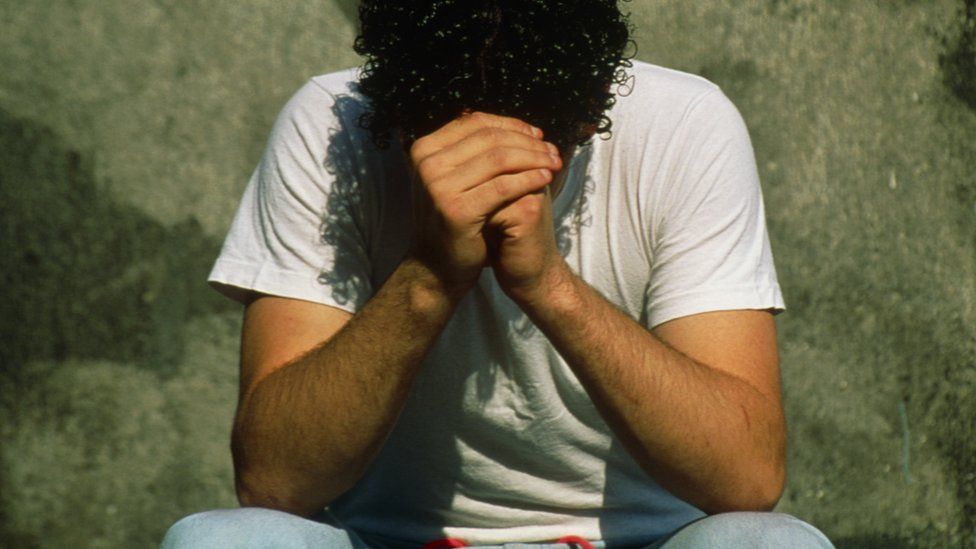
Lonely man
Lonely man

Social media sites like Twitter, Facebook and Pinterest are causing more people to feel alone, according to US psychologists.

A report suggests that more than two hours of social media use a day doubled the chances of a person experiencing social isolation.

It claims exposure to idealised representations of other people's lives may cause feelings of envy.

The study also looked at those using Instagram, Snapchat and Tumblr.

It's important to remember what you see on social isn't necessarily the reason for you feeling bad - but it might be a factor.

Put simply, it might just heighten the emotions you're already feeling.

Read: Here's how to keep social media in perspective.

"We do not yet know which came first - the social media use or the perceived social isolation," co-author Elizabeth Miller, professor of paediatrics at the University of Pittsburgh, said.

"It's possible that young adults who initially felt socially isolated turned to social media. Or it could be that their increased use of social media somehow led to feeling isolated from the real world."
WHAT HAPPEN WHEN YOU BLOCK SOMEONE
click here to watch on youtube

Theories in the report suggest the more time a person spends online, the less time they have for real-world interactions.

Usage can also encourage feelings of exclusion, such as seeing photos of friends enjoying an event to which you have not been invited.

The team questioned almost 2,000 adults aged 19 - 32 about their use.

Professor Brian Primack, from the University of Pittsburgh School of Medicine, said: "This is an important issue to study because mental health problems and social isolation are at epidemic levels among young adults.

"We are inherently social creatures, but modern life tends to compartmentalise us instead of bringing us together.

"While it may seem that social media presents opportunities to fill that social void, I think this study suggests that it may not be the solution people were hoping for."

Everyone wants to run for US president in 2020

Everyone wants to run for US president in 2020

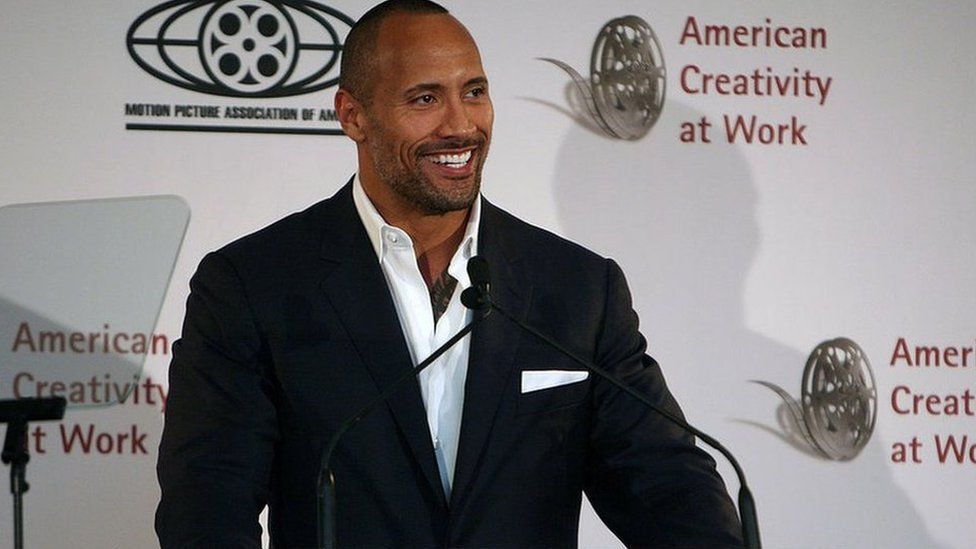
Dwayne Johnson
Dwayne Johnson

Dwayne 'The Rock' Johnson has become the latest celebrity to put his name forward for president.

In an interview with GQ Magazine, the former wrestler turned actor says he has given the idea a lot of thought.

He says, "I feel that if I were president, poise would be important. Leadership would be important. Taking responsibility for everybody."

But Johnson's not the only star with their sights set on moving into the Whitehouse in 2021.

Mark Zuckerberg, the billionaire CEO of Facebook, may also be considering a career change.

He's been on a mission to visit people in all 50 US states and is broadcasting it all on Facebook Live, which could be seen as a bit of a PR push.
There's also been plenty more presidential photo ops, including riding on a tractor, feeding baby cows and even going to church in a suit instead of his famous black hoodie.
Jay Z, Beyonce and Hillary Clinton
Image caption Queen B could be the new First Lady...

Jay Z may not have been able to help Hillary Clinton get the top job in US politics, but that doesn't mean he's ruling it out for himself.

An 'insider' apparently told Radar magazine, "Jay Z is really considering running for political office in New York and Beyonce is 1000 percent supportive of her husband's decision."

He even told Newsbeat back in 2010 he wished he was President.

If your dream is to see Kim Kardashian as First Lady, then you may have to wait a while.

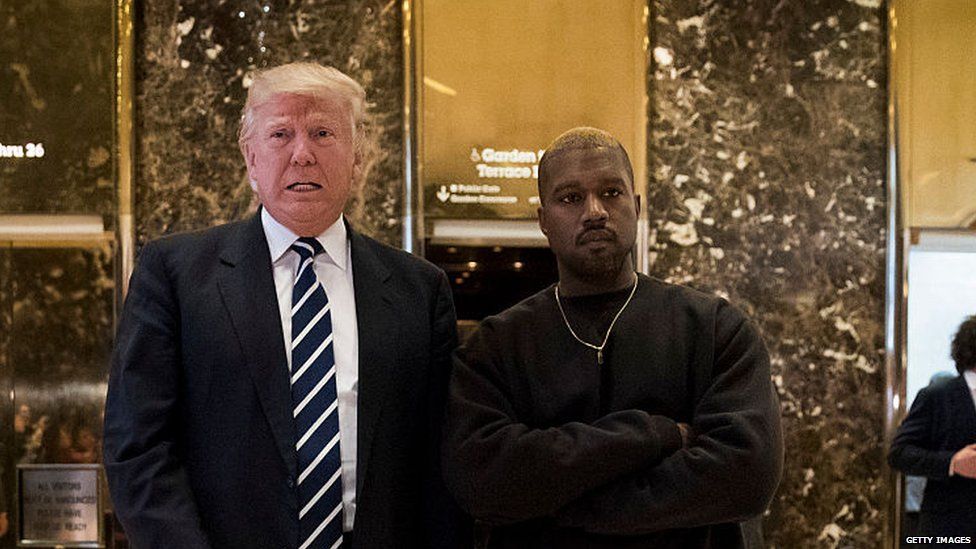
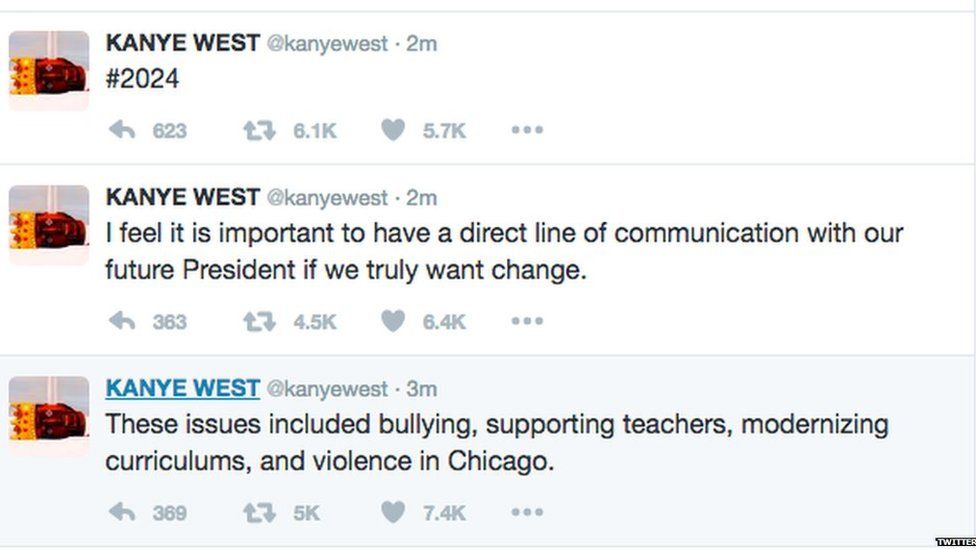
That's because Kanye West has decided to wait until 2024 to run for President.Kanye and Trump
Kanye and Trump

He previously announced he would run in 2020, but after meeting President Trump last year he decided he didn't want to oppose his potential second term.

In a now deleted Twitter rant, he said "Rappers are philosophers of our now, celebrities are the influencers of our now, just look at the president".

"[Trump] wasn't in politics and won."
Kanye
Kanye

Find us on Instagram at BBCNewsbeat and follow us on Snapchat, search for bbc_newsbeat
Related Topics
You What? Entertainment Kanye West JAY Z Mark Zuckerberg

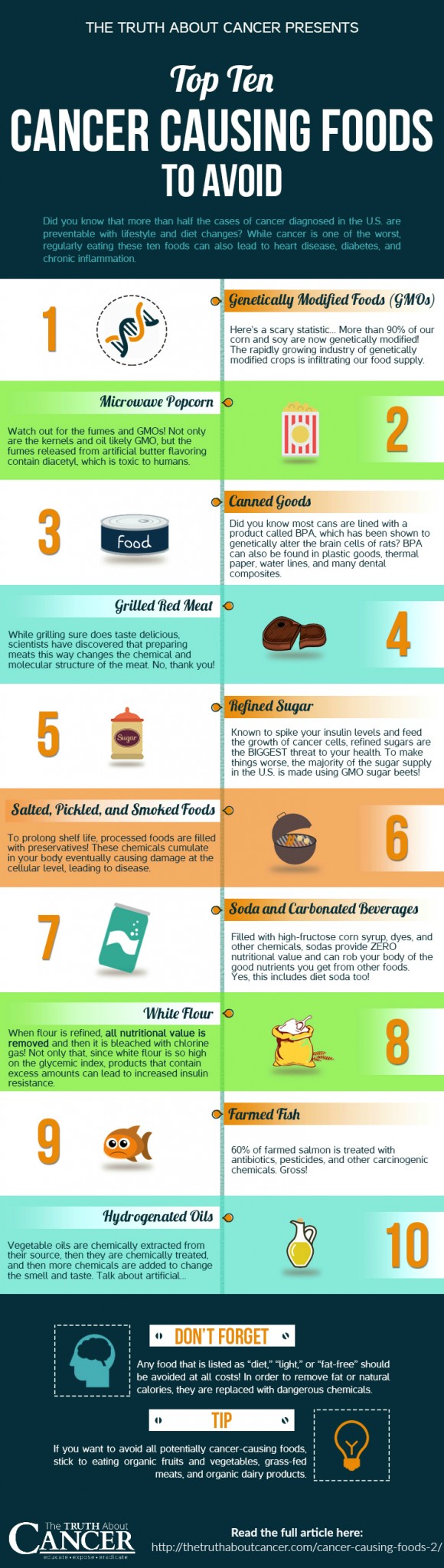
Top 10 Cancer Causing Foods to Cut Your Cancer Risk in Half

Top 10 Cancer Causing Foods to Cut Your Cancer Risk in Half

  1. Genetically Modified Foods (GMOs): The rapidly growing industry of genetically modified crops are infiltrating our food supply at an alarming rate. More than 90% of our corn and soy are now genetically modified. This fairly new practice is the source of many debates. Experts agree that adequate testing was not done before GMO foods were added to the ingredient listing of thousands of products. In other words, no one – including the growers and manufacturers of GMO foods – knows the long-term effect they will have on human health. Look for GMO-free labels whenever possible or buy organic (which always means a product is not genetically modified).
  2. Microwave Popcorn: From the chemically-lined bag to the actual contents, microwave popcorn is at the center of lung cancer debates around the world. Not only are the kernels and oil likely GMO (which the manufacturer does not have to disclose) unless organic, the fumes released from artificial butter flavoring contain diacetyl, which is toxic to humans. Make your own organic popcorn the old-fashioned way – it tastes better, doesn’t release toxic fumes, and is a healthier choice for you.
  3. Canned Goods: Most cans are lined with a product called bisphenol-A (BPA), which has been shown to genetically alter the brain cells of rats. Many plastic goods, thermal paper, water lines, and many dental composites also contain BPA. Help protect your DNA by sticking to fresh or frozen vegetables that have no added ingredients for your family’s table! These are better for you and available year-round.
  4. Grilled Red Meat: While grilled food can taste delicious, scientists have discovered that preparing meats in this way – especially processed meats like hot dogs – releases a carcinogen called heterocyclic aromatic amines. When you grill red meat to the point of well-done, it changes the chemical and molecular structure of the meat. You’re better off baking, broiling, or preparing meat in a skillet than on the grill.
  5. Refined Sugar: The biggest cancer causing food (by far) is high-fructose corn syrup (HFCS) and other refined sugars. Even brown sugar is highly refined white sugar with some of the removed molasses added back in for flavor and color. Refined sugars (and foods made with them) are the source of major insulin spikes and feed the growth of cancer cells. Since the majority of the sugar supply in the U.S. is made using genetically modified (GMO) sugar beets, a healthier option is organic honey, coconut sugar, or maple sugar. Now that oncologists are using diabetes medication to fight cancer cells, there’s no doubt (finally) that those mutated cancer cells love sugar.
  6. Salted, Pickled, and Smoked Foods: These products typically contain preservatives, such as nitrates, which are intended to prolong shelf life. The additives used in processed foods can accumulate in your body over time. Eventually, such toxins cause damage at the cellular level and lead to diseases like cancer. When smoked foods are cooked at high temperatures, the nitrates are converted to the much more dangerous nitrites. (Note: By pickled foods we don’t mean the fermented foods you make at home.)
  7. Soda and Carbonated Beverages: Sodas have been at the center of the health debate for two decades as a major cancer causing food. Filled with high-fructose corn syrup (HFCS), dyes, and a host of other chemicals, they are very bad for every aspect of your health. They provide zero nutritional value and rob your body of the nutrients you get from other foods. Adding “diet” to the label means you’re also likely consuming aspartame – which is no better than rat poison to human cells.
  8. White Flour: When flour is refined, all nutritional value is removed. Then it’s bleached with chlorine gas to make it more appealing to consumers. The glycemic index for white flour is very high – meaning it spikes your insulin levels without providing nutritional fuel. Carbohydrates are converted to sugars by your body, so excessive products that contain white flour can lead to increased insulin resistance. Simple sugars (like refined carbohydrates) are the preferred fuel source for cancer.
  9. Farmed Fish: Commercial fish farming involves raising an incredible number of fish (such as salmon), in a crowded environment. More than 60% of the salmon consumed in the United States comes from a farming operation where they are treated with antibiotics, pesticides, and other carcinogenic chemicals to try and control the bacterial, viral, and parasitic outbreaks that result from cramming so many fish in a small space. Farmed fish also don’t have as much omega-3 as wild salmon.
  10. Hydrogenated Oils: Vegetable oils are chemically extracted from their source, chemically treated, and more chemicals are added to change the smell and taste. They’re packed with unhealthy omega-6 fats (that Americans already consume way too much of) and have been proven to alter the structure of our cell membranes.

4 Steps to Help Prevent Cancer

In addition to the 10 foods listed above, also be sure to avoid any food labeled as “diet,” “light,” or “fat-free.” In order to remove fat or natural calories, they are replaced with chemicals that are dangerous to your body.
Instead of consuming food products that manufacturers claim is “good for you” – follow these four anti-cancer diet tips to prevent cancer the easy way:
  1. Eat organic whenever possible.
  2. Choose raw or clean frozen if availability of fresh product isn’t good in your area.
  3. Fill half your plate each meal with non-starchy vegetables. If you eat animal products, make sure they’re pastured and grass-fed meats and dairy goods (including eggs). Use only high quality oils such as coconut oil, olive oil, ghee, or grass-fed butter.
  4. Cut back drastically on grains and sugars.
Not only will eliminating these foods lower your cancer risk, you’re going to feel (and look) better from the inside out. Now that you know what the top cancer causing foods are, what are you going to do about their presence in your kitchen and your daily eating plan?

Want to be notified when other awesome articles are added? Click here for our free weekly digest. You’ll be glad you did.

Top Ten Cancer Causing Foods to Avoid

Cristiano Ronaldo is first footballer with 100m Instagram followers

Cristiano Ronaldo is first footballer with 100m Instagram followers

Cristian Ronaldo
Cristian Ronaldo

Cristiano Ronaldo has become the first footballer to hit 100 million followers on Instagram.
He hit the social media milestone this week, days after scoring the 47th hat-trick of his career.

The Portuguese footballer, who also has more Instagram fans than any other man, also has the sixth most-followed account.

Ronaldo lags behind Beyonce, Taylor Swift, Ariana Grande, Selena Gomez and Instagram's own account.

He's more popular than any Kardashian or Jenner, Justin Bieber or Dwayne 'The Rock' Johnson, who are some of the other most-followed accounts.

His nearest football rival is Neymar, who has 74m Instagram fans.

Lionel Messi has just under 71m, David Beckham has 36m and James Rodriguez has 30m. click here to see his post on instagram

Ronaldo posts a mix of training photos, modelling shots and the occasional photo of him in underwear or swimwear, but photos of the footballer with his son are among the most popular.

Photos of pair often total more than three million likes.

Pictures of the footballer with his cars are popular too, with this snap of Ronaldo sat in his Bugatti picking up 3.9m likes.

This girls' football team just topped a league for boys in Spain

This girls' football team just topped a league for boys in Spain

AEM Lleida

AEM Lleida
A girls' football team in Spain has come top of a boys' league, despite a lack of support for female players in the country.

AEM Lleida girls' team's story has been told in The New York Times, who visited the team after their victory in the Lleida junior regional league.

They won the Men's Second League, winning all but one of their 22 games.

Mixed-sex football is allowed in Spain until players are 14 and these girls have played against boys since 2014
However, there was no sponsorship for any female team until last year and Real Madrid (the most successful team in the country) have no women's team.

"To push these girls, we felt they had to play against boys because you need strong opponents to make real progress," Jose Maria Salmeron, the director of AEM Lleida told the New York Times.

He also said the girls have struggled with abuse from the sidelines during matches against male rivals.

"It's really been more a problem for parents rather than their boys," he adds.

"It's strange, but most of the macho comments and insults have come from the mothers of some of the boys we play."

They have also been referred to as 'the princesses' by referees during their matches.
click here to watch their video on youtube.

Since their success in Lleida's junior league, the team has started a Go Fund Me campaign and are hoping to raise €10,000 (£8,437) to help pay for their training.

"I always try to show that soccer isn't just for boys," a player named Andrea Gomez tells the New York Times.

"If you're technically better, you can compensate for being perhaps physically weaker."

And even the boys they beat to come top of the league were forced to admit that they had been easily outplayed.

"It's hard to lose against girls," said a player on the team the girls beat to win the trophy in the Men's Second League

"But these ones really are very good."

Blue whale challenge administrator pleads guilty to inciting suicide

Blue whale challenge administrator pleads guilty to inciting suicidePhilipp Budeikin


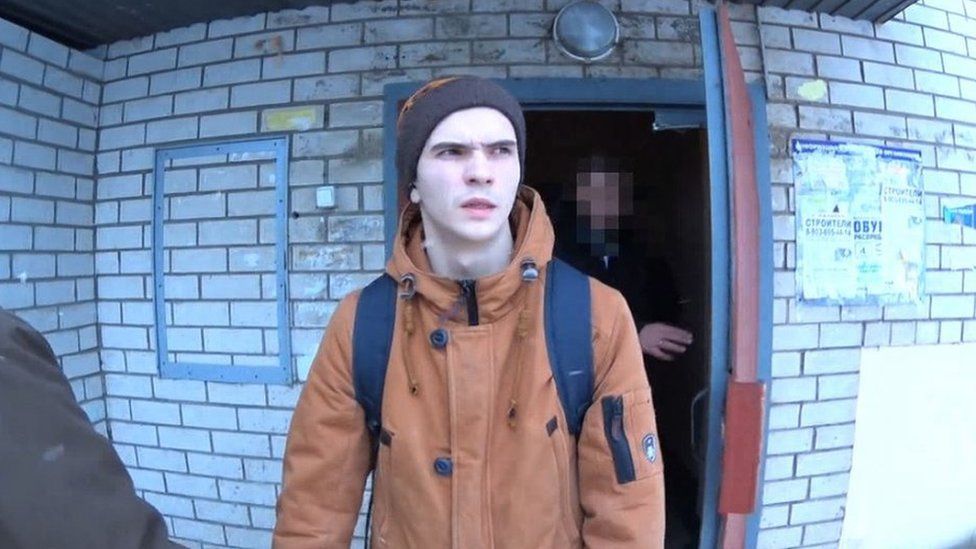
One of the men behind the so-called blue whale challenge has pleaded guilty to inciting teenagers to suicide.


Philipp Budeikin told Russian press his victims were "biological waste" and he was "cleansing society".

Participants in the "game" are thought to be set tasks over 50 days and the last "challenge" is for the person to take their own life.

Several UK police forces have warned local parents that their teenage children may be taking part.

As Newsbeat reported last month, an anonymous task master gives individuals demands like watching a horror film or self-harming.

BBC Advice has help and information if you or someone you know is affected by suicide.
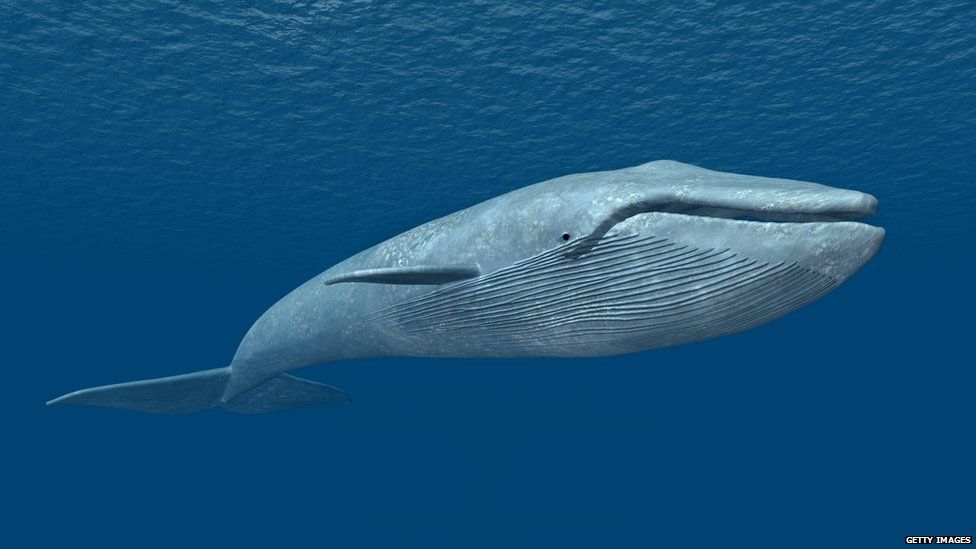
Blue Whale
Blue Whale

Budeikin, 21, is being held at Kresty Prison in St Petersburg for charges of inciting at least 16 teenage girls to kill themselves by taking part in his "game".

He is not thought to be the only organiser and the BBC understands more people are being looked for in connection with these so-called "death groups".

BBC journalists in Russia say Budeikin had previously insisted he was innocent, he had no evil plan and was just having fun.

Yesterday, during a court hearing, he pleaded guilty.

Budeikin previously told the press his victims "represented no value to society".
Blue Whale
Blue Whale

According to senior investigators, administrators like Budeikin tell participants to delete all evidence of the blue whale challenge on their social media accounts, Russian newspaper Novaya Gazeta reports.

Anton Breido, head of the investigation, says his team were given evidence by a teenager who was in the final stages of the game but gave up.

"Budeikin very clearly knew what he had to do to get the result [he wanted]," he said.

"He started in 2013 and ever since he has polished his tactics and corrected his mistakes.

"Philipp and his aides at first attracted children on to VK [social network] groups by using mega-scary videos.

"Their task was to attract as many children as possible, then figure out those who would be the most affected by psychological manipulation," he writes.

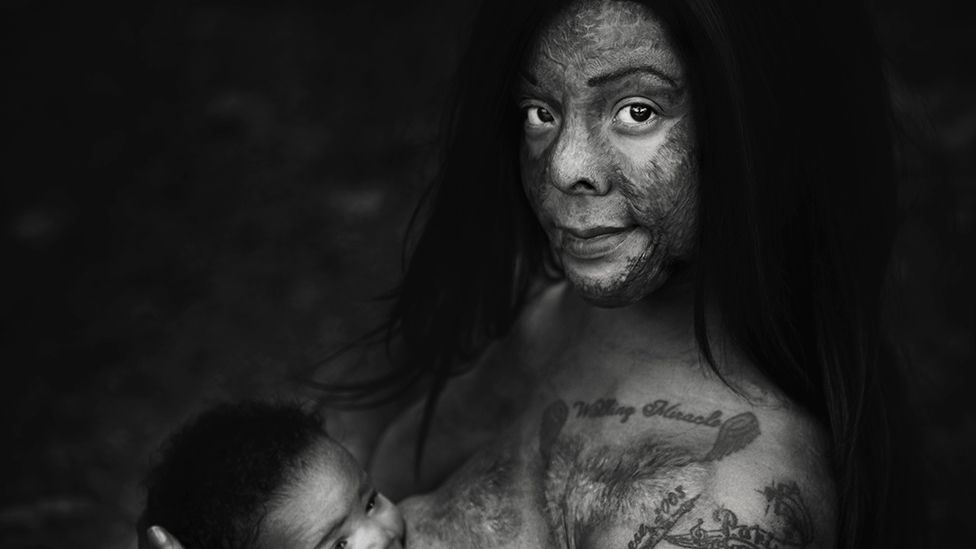
Burns victim breastfeeds child despite pain to give hope to other young mums

Burns victim breastfeeds child despite pain to give hope to other young mumsSchamica Stevenson


A burns victim who's breastfeeding her second child despite the pain, says she's doing it to give hope to other young mums.

Schamica Stevenson, 34, was badly burned at the age of two, in a house fire in the US state of Michigan.

She didn't breastfeed her first child but decided to try this time.

"I wanted to share my story to help others not give up like I did when I was 20," she's told Newsbeat from her home in America.

"As long as their breasts work they should be used the way nature intended them to be."

Mimi's eight-month-old brother died after the family's boiler exploded and her mother couldn't get to them because of bars on the windows.

She's been having skin grafts for most of her life and says she was worried getting pregnant for the first time aged 20 because of the scars on her stomach.

Anaesthesiologists also couldn't give the 34-year-old an epidural for her pain because of the scarring.Schamica Stevenson
Schamica Stevenson
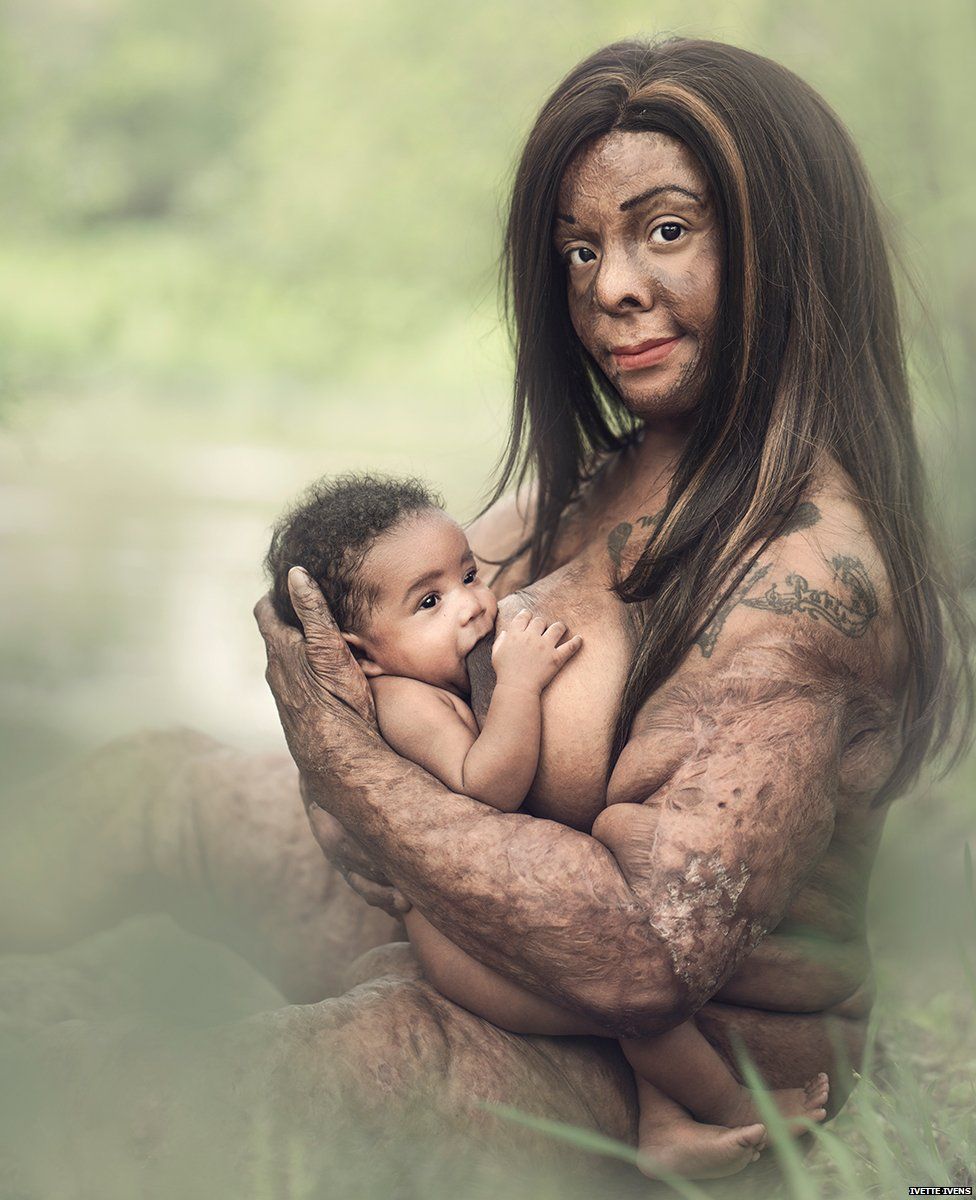
Image caption Mimi's second child Paris was born on 4 March - 21 days early - weighing 6lb 11oz. Photo: Ivette Ivens

Mimi, who now works as a medical assistant, says that the first time round she didn't have time to breastfeed but wanted to try this time.

"I was young and didn't have the patience to persevere then when she wasn't latching.

"This time I was determined to breastfeed."

She also says she wanted to try because she'd watched her sister-in-law and cousin breastfeed all their children.

US photographer Ivette Ivens shared the photo of Mimi on her Facebook page, calling her a "Mother of two. Fire survivor. Warrior. Breastfeeder".

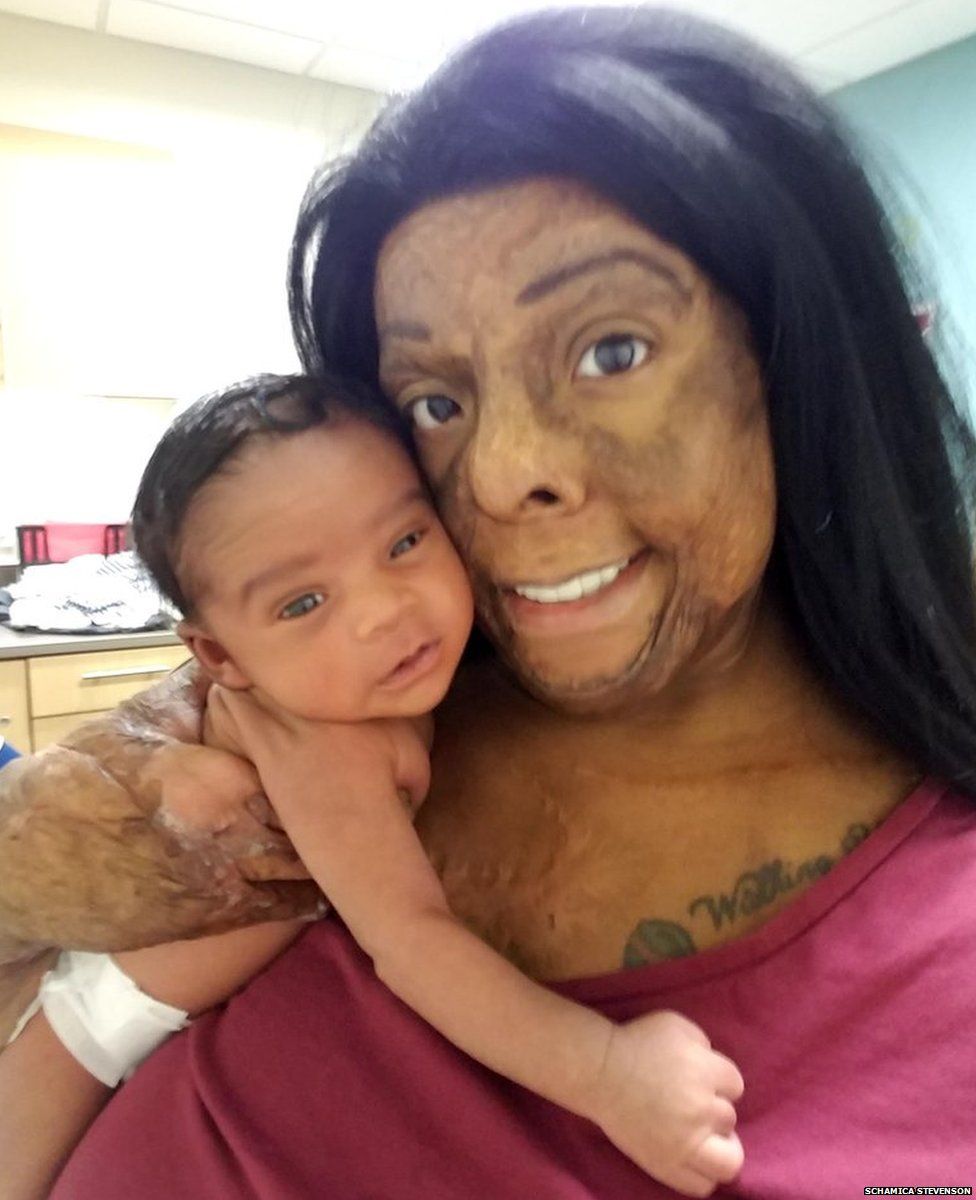
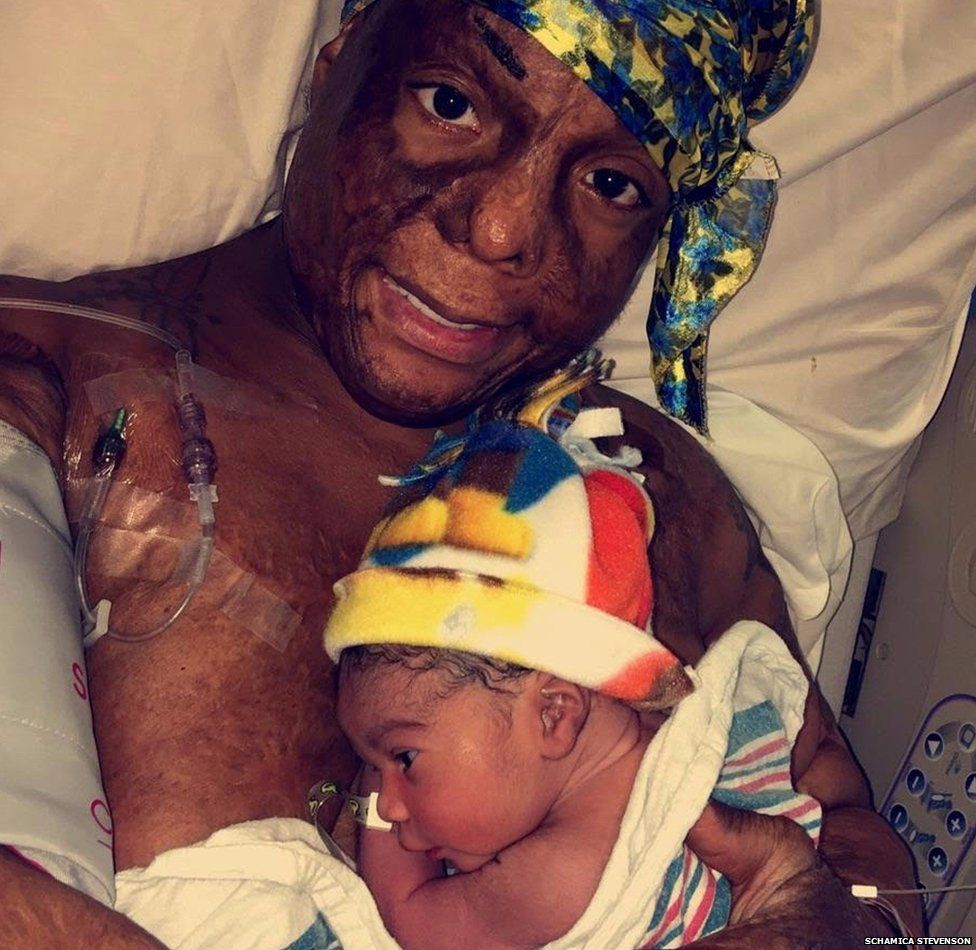
With 14 years between pregnancies, as well as two miscarriages, Mimi says it was incredibly hard to breastfeed her son Josia.Schamica Stevenson
Schamica Stevenson
Image caption Mimi can't grow hair on the top of her head and says she's thankful for lace wigs

She says she had low milk supply and had to feed her baby with a pump and syringe to start with.

"The lactation nurses helped me out a lot at the hospital," she says.

"I remember she said, 'This is not going to feel good,' as she tugged and pulled at my breasts.

"It killed but I was determined to have that breastfeeding bond with my son.

"I even pumped every three hours after each feeding while still at the hospital but noticed I wasn't getting much out."Schamica Stevenson
Schamica Stevenson
Image caption Mimi says she had yearly operations in Cincinnati until she was 17

Despite having burn marks, Mimi says she hopes her photos will inspire other mothers to have confidence in their own bodies.

"It breaks my heart that people feel suicidal over their image," she says. "Then there's me - not a care in the world - walking around as if I look like Beyonce or Tamar Braxton.

"I didn't get my confidence overnight obviously, but I'm so glad I have it now.

"There are days I get down because I'm human, but I bounce right back and thank God for my life and my beautiful babies I was able to birth and now nurse."

The day my child was killed by an elephant

The day my child was killed by an elephant

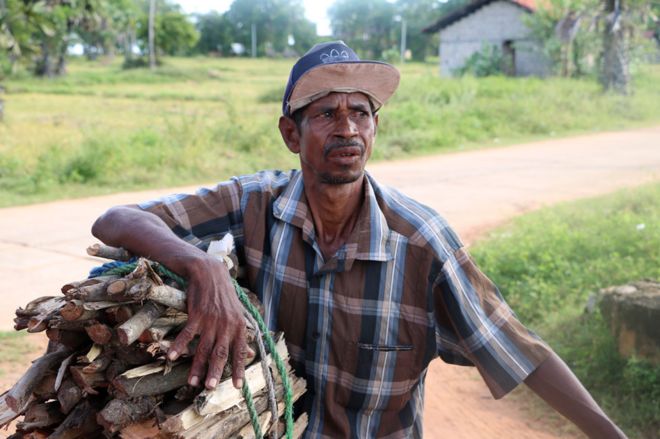
Raja Thurai


Conflict between humans and elephants is more intense in Sri Lanka than anywhere else in the world - 70 people are killed every year and more than 250 elephants die. Clashes are particularly frequent in areas that were abandoned for long periods during the country's lengthy civil war.
Last June, six-year-old Sulojini and her father, Raja Thurai, were returning home from the river in the late afternoon sunshine. Suddenly, an elephant appeared from the bush and attacked.
"The elephant lifted us with its trunk and threw us on the ground," remembers Thurai. "I lost consciousness, and when I woke up, my daughter was already dead."
The incident happened close to the Thurai's village, Paavatkodichchinai in Sri Lanka's Eastern Province, near paddy fields and in an area dotted with fruit bushes.
"I've lost two of my children - a son during the war, and Sulojini to an elephant," he says.
Paavatkodichchinai is inhabited by Sri Lanka's Tamil minority, like many communities on the eastern part of the island.
During the civil war, the presence of Tamil Tiger rebels made the Eastern Province a target for government forces, and when fighting was intense, local people fled.
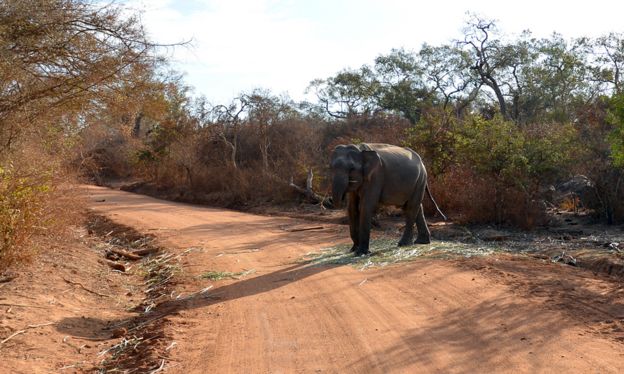
An elephant on a forest road

Image copyright Getty Images
Raja Thurai and his family went to live in a refugee camp in 2007. When they returned after the war, which came to an end in 2009, elephants had encroached on their land. Now these huge mammals are a continual, terrifying presence - especially at night, when they roam around the village looking for food in fields and homes.
"We chase them away, but they come back again and again. Every night we have to stay awake - last night also, I didn't sleep," Thurai, says.
His family's home is one of many in the village that have suffered night attacks. The house, shaded by two large mango trees, still has part of a wall missing - destroyed by an elephant one night just before Sulojini was killed.
"It happened at 02:00," says Indrani, Raja Thurai's wife. "The elephant trumpeted and ran towards the house, hitting the roof and wall."
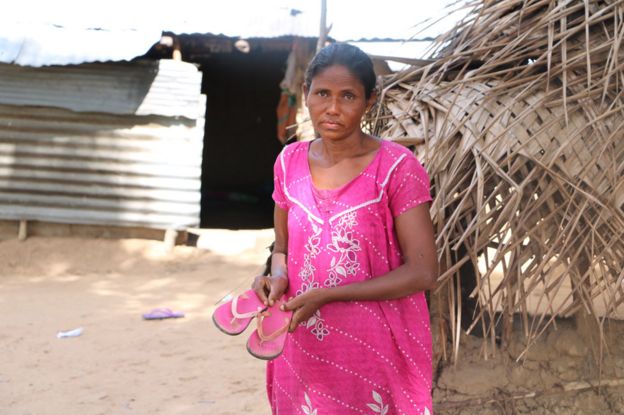
Indrani Thurai

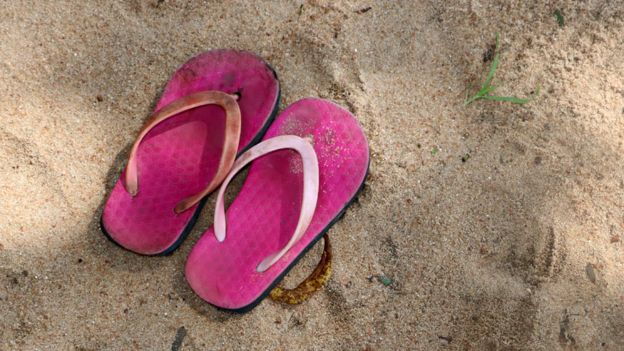
Image caption Indrani holding Sulojini's flip-flops - iron sheets patch the damaged wall of the family home
She says Sulojini was so frightened she developed a fever.
The couple do not have a picture of the daughter they lost, but they have kept the small, pink flip-flops she was wearing when she died.
Since then, the village has organised an informal neighbourhood watch scheme. Households have access to firecrackers to frighten the elephants away, but experts argue fireworks are not the answer.
"Communities get into a kind of arms race," says Dr Pruthu Fernando, a conservationist who has spent much of his professional life trying to mitigate human-elephant-conflict in Sri Lanka.
"If an elephant comes and tries to eat the crops, people shout at it. So the elephant is scared and goes away. Then the elephant realises people are only shouting, there's no harm to it. So next time people shout, the elephant still comes and raids."
Villagers work through a series of deterrents: first they throw rocks at the animals, next they begin to light fires. Finally, they use firecrackers.
"Some of those go off like a bomb," says Fernando. "But elephants soon realise they are only a lot of noise, so they still come and raid. Ultimately, people end up shooting the elephant. All of these things are confrontational."
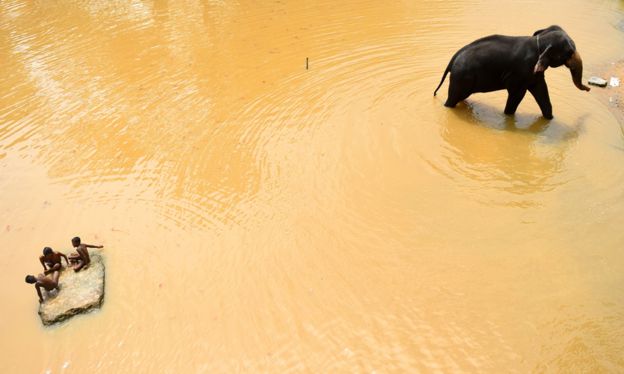
Children bathe in a river alongside domesticated elephant, in Kataragama, southern Sri Lanka

Image copyright Getty Images
Image caption Children bathe in a river alongside domesticated elephant, in Kataragama, southern Sri Lanka
Fernando has pioneered the use of electrified fencing, erected at particular times of the year.
Elephants are free to roam agricultural land during fallow periods, and farmers only put up the barriers when they plant their crops.
"The farmers take down the fence the day they harvest," he says.
Sri Lanka already has 3,500km of electrified fencing aimed at containing elephants, but much of it is in the wrong place.
Historically it has been used to mark boundaries - of private property and national parks. But eventually, elephants destroy it. Fencing has to be close to human activity to be effective, Fernando says.
"Fences work. If you maintain them well, elephants learn this is a no-go boundary. They're also non-confrontational, so that leads to the possibility of better co-existence."


Enable it in your browser or download Flash Player here.
Sorry, you need Flash to play this.
Media captionRescuing orphaned elephants at the Udawalawe Elephant Transit Home
Some Sri Lankans do live in harmony with wild elephants.
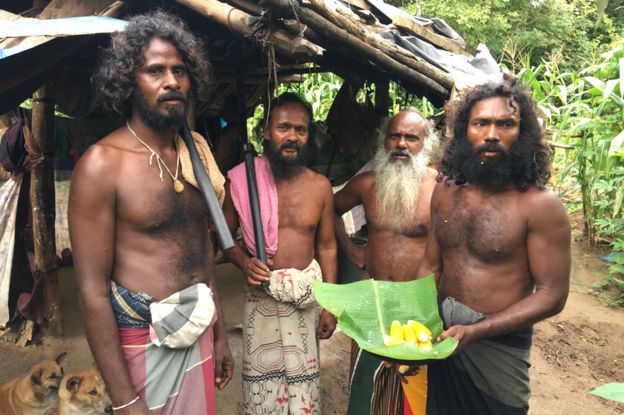
The Rathugala Veddha community close to the Gal Oya National Park in south-eastern Sri Lanka - who trace their ancestry to some of the island's earliest inhabitants - chant, invoking God and the spirits, to protect them when they are in the forest. No-one can remember a time when anyone was injured - let alone killed - by an elephant.
"We can sense when an elephant is close-by - we can feel it," says Poramal Aththo. "We have that power in us."
Poramal Aththo (right) and fellow members of the Rathugala Veddha community

It is possible he is describing the infrasound communication of elephants, and that villagers learned to sense this because they have been living in close proximity to the animals for so long.
Poramal Aththo says he could teach other Sri Lankans how to stay safe, but it is an art - not something that can be learned in a day.
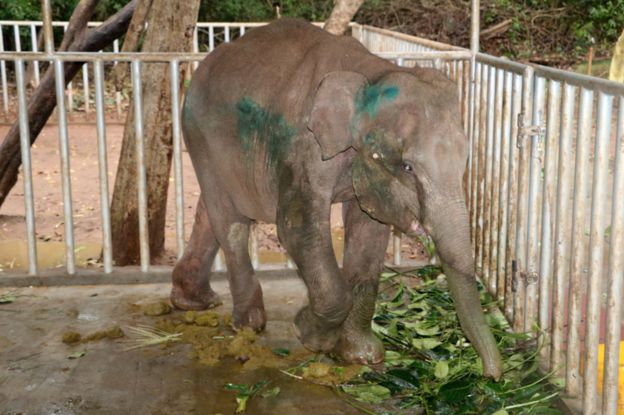
On the other side of the human-elephant-conflict equation are babies like Leila. She was rescued after eating a hukka patta - a primitive gunpowder bomb disguised as a fruity treat. It blew up in her mouth, fracturing her jaw, and destroying half her tongue.

  • Read more:


Leila is being treated at the Department of Wildlife Conservation's facility near the temple city of Polonnaruwa.
"The mortality rate of elephants eating hukka pattas is very high," says Dr Pinidiyage Manoj Akalanka, the vet on duty. "Most of them will die." Death by hukka patta is cruel - unable to eat, the animal starves to death.
In this district alone, they see around 40 cases a year. Leila was injured by bullets too - something Akalanka says is becoming more common as farmers become desperate to defend their crops from marauding animals.
Leila

But Leila is lucky - she has learnt to eat with half a tongue, and will eventually be released back into the wild.
After Sulojini was killed by an elephant in Paavatkodichchinai, electricity was finally installed in the village.
This makes possible a system of electrified fencing - although there is no sign the government or any other organisation will provide it any time soon.
The government does pay 500,000 rupees ($3,278) to the families of those killed by elephants. But there is no way to compensate a family for the loss of a little girl in pink flip-flops, who never returned home from her afternoon bathe. Sulojini's flip flops

Mexican mum who investigated daughter's death is killed

The day my child was killed by an elephant

Raja Thurai


Conflict between humans and elephants is more intense in Sri Lanka than anywhere else in the world - 70 people are killed every year and more than 250 elephants die. Clashes are particularly frequent in areas that were abandoned for long periods during the country's lengthy civil war.
Last June, six-year-old Sulojini and her father, Raja Thurai, were returning home from the river in the late afternoon sunshine. Suddenly, an elephant appeared from the bush and attacked.
"The elephant lifted us with its trunk and threw us on the ground," remembers Thurai. "I lost consciousness, and when I woke up, my daughter was already dead."
The incident happened close to the Thurai's village, Paavatkodichchinai in Sri Lanka's Eastern Province, near paddy fields and in an area dotted with fruit bushes.
"I've lost two of my children - a son during the war, and Sulojini to an elephant," he says.
Paavatkodichchinai is inhabited by Sri Lanka's Tamil minority, like many communities on the eastern part of the island.
During the civil war, the presence of Tamil Tiger rebels made the Eastern Province a target for government forces, and when fighting was intense, local people fled.
An elephant on a forest road

Image copyright Getty Images
Raja Thurai and his family went to live in a refugee camp in 2007. When they returned after the war, which came to an end in 2009, elephants had encroached on their land. Now these huge mammals are a continual, terrifying presence - especially at night, when they roam around the village looking for food in fields and homes.
"We chase them away, but they come back again and again. Every night we have to stay awake - last night also, I didn't sleep," Thurai, says.
His family's home is one of many in the village that have suffered night attacks. The house, shaded by two large mango trees, still has part of a wall missing - destroyed by an elephant one night just before Sulojini was killed.
"It happened at 02:00," says Indrani, Raja Thurai's wife. "The elephant trumpeted and ran towards the house, hitting the roof and wall."
Indrani Thurai

Image caption Indrani holding Sulojini's flip-flops - iron sheets patch the damaged wall of the family home
She says Sulojini was so frightened she developed a fever.
The couple do not have a picture of the daughter they lost, but they have kept the small, pink flip-flops she was wearing when she died.
Since then, the village has organised an informal neighbourhood watch scheme. Households have access to firecrackers to frighten the elephants away, but experts argue fireworks are not the answer.
"Communities get into a kind of arms race," says Dr Pruthu Fernando, a conservationist who has spent much of his professional life trying to mitigate human-elephant-conflict in Sri Lanka.
"If an elephant comes and tries to eat the crops, people shout at it. So the elephant is scared and goes away. Then the elephant realises people are only shouting, there's no harm to it. So next time people shout, the elephant still comes and raids."
Villagers work through a series of deterrents: first they throw rocks at the animals, next they begin to light fires. Finally, they use firecrackers.
"Some of those go off like a bomb," says Fernando. "But elephants soon realise they are only a lot of noise, so they still come and raid. Ultimately, people end up shooting the elephant. All of these things are confrontational."
Children bathe in a river alongside domesticated elephant, in Kataragama, southern Sri Lanka

Image copyright Getty Images
Image caption Children bathe in a river alongside domesticated elephant, in Kataragama, southern Sri Lanka
Fernando has pioneered the use of electrified fencing, erected at particular times of the year.
Elephants are free to roam agricultural land during fallow periods, and farmers only put up the barriers when they plant their crops.
"The farmers take down the fence the day they harvest," he says.
Sri Lanka already has 3,500km of electrified fencing aimed at containing elephants, but much of it is in the wrong place.
Historically it has been used to mark boundaries - of private property and national parks. But eventually, elephants destroy it. Fencing has to be close to human activity to be effective, Fernando says.
"Fences work. If you maintain them well, elephants learn this is a no-go boundary. They're also non-confrontational, so that leads to the possibility of better co-existence."


Enable it in your browser or download Flash Player here.
Sorry, you need Flash to play this.
Media captionRescuing orphaned elephants at the Udawalawe Elephant Transit Home
Some Sri Lankans do live in harmony with wild elephants.
The Rathugala Veddha community close to the Gal Oya National Park in south-eastern Sri Lanka - who trace their ancestry to some of the island's earliest inhabitants - chant, invoking God and the spirits, to protect them when they are in the forest. No-one can remember a time when anyone was injured - let alone killed - by an elephant.
"We can sense when an elephant is close-by - we can feel it," says Poramal Aththo. "We have that power in us."
Poramal Aththo (right) and fellow members of the Rathugala Veddha community

It is possible he is describing the infrasound communication of elephants, and that villagers learned to sense this because they have been living in close proximity to the animals for so long.
Poramal Aththo says he could teach other Sri Lankans how to stay safe, but it is an art - not something that can be learned in a day.
On the other side of the human-elephant-conflict equation are babies like Leila. She was rescued after eating a hukka patta - a primitive gunpowder bomb disguised as a fruity treat. It blew up in her mouth, fracturing her jaw, and destroying half her tongue.

  • Read more:


Leila is being treated at the Department of Wildlife Conservation's facility near the temple city of Polonnaruwa.
"The mortality rate of elephants eating hukka pattas is very high," says Dr Pinidiyage Manoj Akalanka, the vet on duty. "Most of them will die." Death by hukka patta is cruel - unable to eat, the animal starves to death.
In this district alone, they see around 40 cases a year. Leila was injured by bullets too - something Akalanka says is becoming more common as farmers become desperate to defend their crops from marauding animals.
Leila

But Leila is lucky - she has learnt to eat with half a tongue, and will eventually be released back into the wild.
After Sulojini was killed by an elephant in Paavatkodichchinai, electricity was finally installed in the village.
This makes possible a system of electrified fencing - although there is no sign the government or any other organisation will provide it any time soon.
The government does pay 500,000 rupees ($3,278) to the families of those killed by elephants. But there is no way to compensate a family for the loss of a little girl in pink flip-flops, who never returned home from her afternoon bathe. Sulojini's flip flops